

 INR Indian Rupee
Buy and sell Indian Rupees in Sydney
Rupee notes counted out at Suite 202A on Level 2, 60 York Street, NSW 2000 - for the family visit or the first trip to India. Buy or sell back at live rates, 0% commission, Monday to Friday 9:30am to 5pm.
How to get your rupees
Three short steps, no appointment and nothing added to the rate.

Check today's INR exchange rate
The calculator prices the rupee in both directions - how many rupees your Australian dollars buy today, and what unspent rupees fetch in A$ when you bring them back.

Visit our store
Come up to Suite 202A, Level 2, 60 York Street, NSW 2000, a four-minute walk from Wynyard - or ring (02) 8014 4222 beforehand and the rupees will be waiting for you.

Get your cash
We count the rupees out in view and settle on the spot - and the same window buys back whatever you carry home.
Key information about the Indian rupee
Who issues it, which notes are current, and why the rupee is a restricted currency.
India's rupee has been issued by the Reserve Bank of India since 1938, and one rupee is worth 100 paise - coins that have all but vanished from tills. It is a restricted currency: convertible for trade and travel, not freely for capital, and rupee notes may only cross India's border in limited amounts, which is why rupee cash is scarcer and dearer to handle outside India.
Current notes are the Mahatma Gandhi (New) Series - ₹10, ₹20, ₹50, ₹100, ₹200 and ₹500, each in its own colour. The ₹2,000 was pulled from circulation in May 2023: still legal tender, but exchangeable only at the Reserve Bank's own offices, so decline it. Older ₹10 to ₹100 notes remain valid; the pre-2016 ₹500 and ₹1,000 do not.
India-born residents became Australia's largest overseas-born group in 2025, so many people buying Indian rupees in Sydney are heading home to family rather than sightseeing. The rupee is one of the 22 currencies we trade: bring photo ID and walk in, or call ahead to reserve an amount, and any rupees you bring back sell at the live buy-back rate.
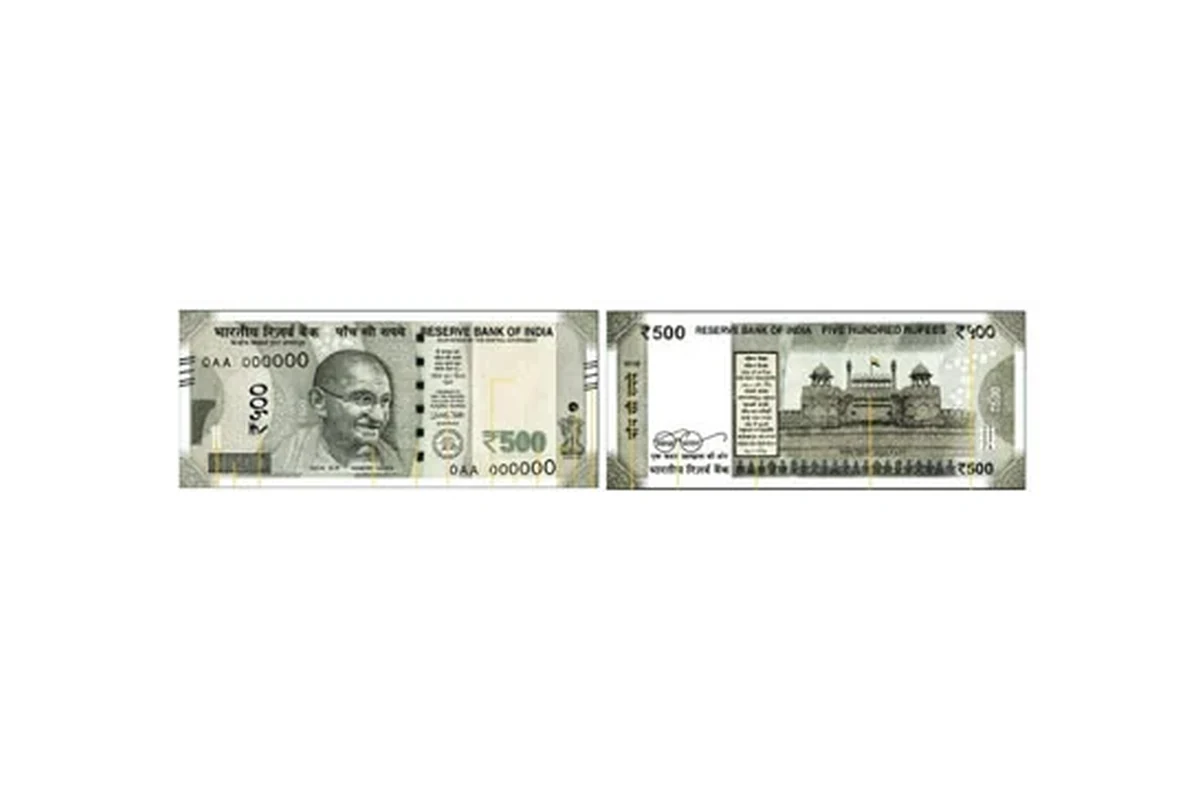
Indian Rupee details
- Currency
- Indian Rupee
- Code
- INR
- Symbol
- ₹
- Subunit
- 100 paise
- Central bank
- Reserve Bank of India
Indian Rupee in use
- Banknotes
- ₹10, ₹20, ₹50, ₹100, ₹200, ₹500 (Mahatma Gandhi New Series; the ₹2,000 was withdrawn from circulation in May 2023 but remains legal tender, and older ₹10 to ₹100 notes are still valid)
- Coins
- ₹1, ₹2, ₹5, ₹10, ₹20 (the 50 paise coin is legal tender but rarely seen)
- Used in
- India
- Also used
- Nepal, where notes up to ₹100 have always been accepted and, since July 2026, ₹200 and ₹500 notes may be carried in up to ₹25,000 per person (the ₹2,000 remains banned); Bhutan, which takes rupee notes at par with its ngultrum, most reliably in ₹100s and below
Ask for plenty of ₹100s and ₹200s alongside your ₹500s. Auto drivers, chai stalls and corner shops often cannot change a ₹500 early in the day, and refuse any ₹2,000 you are handed - it was withdrawn in 2023.
Today's rupee exchange rate in Sydney
The rupee rate below is what our York Street counter is dealing at right now - AUD to INR both ways: the rupees your Australian dollars buy, and what we pay in A$ for rupees you sell back. Both tables recalculate from the calculator's live figure.
Buying rupees in Sydney
A$1 = ₹62.005
Pay in A$, leave with rupees in hand.
- Nothing is charged beyond the rate itself - 0% commission, whatever the amount of rupees
- Bring cash with you - our counter cannot process cards right now
- Ask for a good share of ₹100 and ₹200 notes with your ₹500s - the small notes pay for autos, chai and tips without a change problem
Selling rupees back in Sydney
₹100 = A$1.43
Bring your leftover rupees; leave with A$.
- The count is agreed first, then the A$ is paid to you immediately, at the counter
- Rupees that are torn, taped, stapled through or badly soiled may be declined - bring notes in resaleable condition
- The ₹2,000 has been out of circulation since May 2023 and is redeemable only at Reserve Bank offices in India, and pre-2016 ₹500 and ₹1,000 notes are no longer legal tender at all
Rates at the counter move with the market through the day. These tables carry the same time stamp as the calculator above, and whatever rate is confirmed at the counter when you exchange is the rate you receive.
What things cost in India
Big-city prices - Delhi, Mumbai, Jaipur - with a street chai still ₹10-20. Smaller towns run cheaper, and hotel and flight prices jump in the October to March peak season.
India travel money tips
Cash, cards and QR codes all have a place - here is how to carry rupees well.
Small notes are the real currency
India runs on UPI QR codes that a foreign card cannot use, so visitors fall back on cash far more than locals do. Auto-rickshaws, chai stalls, temple shoe-minders, porters and most market traders want notes - and specifically small ones, because a ₹500 handed over for a ₹40 ride is a problem. Carry the bulk in ₹500s but keep a separate pocket of ₹100s and ₹200s, and top it up whenever a shop gives you change.
Things to see in India
Six very different Indias on one rupee - and a pocket of small notes covers the auto to the ghats, the shoe-minder at the temple and the chai on the platform.
Why exchange rupees with us
Rupees for the trip, or A$ for the rupees you carried back - both directions dealt at one Sydney CBD counter, at a live rate with the time it was set.
0% commission, no fees on top
Rupees carry 0% commission in both directions. The AUD to INR rate you agree at the counter is the only number in the deal - no service fee, no handling charge - so the rupee figure in the calculator is what changes hands.
Live, timestamped counter rates
Our rupee rates are set at our own counter: the buying rate and the buy-back rate both update through the trading day, and the time of the last change sits beside them, so you know how fresh the figure is.
Registered, reviewed, guaranteed
A Google rating of from 59 reviews, AUSTRAC registered status (ABN 18 675 798 302) and a Best Price Guarantee in writing - the three things worth checking before you hand over cash.
Rated on Google by 59 customers
Every one of these was left on our Google profile by someone who came up to Level 2. We cannot edit them or take them down.
"Nice attention, customer service and good rate"
"Great people. Great rates. Great location. Sunil is the best."
"Thanks sunil. Great service and great rates"
"Pretty good rates, the place is clean and comfortable to wait in."
See what customers across Sydney say about our rates and service.
Read them all on Googlearrow_forwardCommon questions about Indian rupees
Something we have not covered? Call (02) 8014 4222 on a weekday and ask at the counter.
Look at the calculator at the top of the page: it shows the live rupee rate both ways - how many rupees your Australian dollar buys, and what a rupee is worth in A$ when you sell back. The rate moves through the trading day, the time of the last change is shown beside it, and the figure confirmed at the counter when you exchange is the one that applies.
At our counter in Suite 202A on Level 2 of 60 York Street, NSW 2000, in the Sydney CBD - about four minutes on foot from Wynyard station. We are open Monday to Friday, 9:30am to 5pm; bring photo ID and walk in, no appointment needed. If you would like the rupees set aside before you arrive, phone (02) 8014 4222 first.
The conversion table on this page prices A$1,000 - and A$100, A$500, A$2,000 and A$5,000 - at the counter's live rate. It is recalculated whenever the calculator's rate changes, so check it on the day you plan to come in - and the rate confirmed at the counter is the one you actually receive.
No. Rupees are exchanged at 0% commission in both directions, and nothing is added at the counter - no service fee and no handling charge. The wide gap you may notice between the buying and selling rates is the rupee's restricted-currency spread, not a fee: it is built into the rate itself, and the rate you agree is the whole price.
Usually, yes. The rupee is a popular currency among the 22 on our board, so a weekday walk-in is normally all it takes. Ring (02) 8014 4222 ahead of time if you need a large sum or a specific mix of notes, and we will check and hold it for you. One limit worth knowing when you plan the amount: India allows at most ₹25,000 per person in rupee notes through the airport.
Take the bulk in ₹500s and ask for a generous share of ₹100s and ₹200s, with a few ₹50s and ₹20s. Small notes settle auto-rickshaw fares, chai, tips and temple donations, and many small traders cannot change a ₹500 first thing in the morning. Avoid the ₹2,000 altogether: it was withdrawn in May 2023 and can now only be exchanged at Reserve Bank offices in India.
Yes - bring them to the same counter and you are paid in Australian dollars at the live buy-back rate in the calculator, once the count is agreed. Rupees need to be in resaleable condition: whole, reasonably clean and free of tears, tape or staple damage, since every rupee note we take has to be sold on again. Heavily soiled or scribbled-on notes, common in India, may be declined for the same reason.
Up to ₹25,000 per person in notes, under India's Foreign Exchange Management regulations - the same cap for Indian residents returning home and for visitors from Australia, who must enter through an airport (citizens of Pakistan and Bangladesh are excluded). The same ₹25,000 applies on the way out. Carry anything more as foreign currency or on a card, and declare foreign notes worth over US$5,000 (US$10,000 including other instruments) at Indian customs.
Yes - bring current photo identification. Currency exchange is a designated service under Australia's AML/CTF laws, and as an AUSTRAC registered business we must identify customers for certain transactions, whether you are buying rupees or selling them back. Having the ID out when you reach the counter keeps the visit quick.
Need a different currency?
Rupees are just one of the 22 currencies at the counter; see the full rate board for today's rate on all of them, buying and selling.


